German Engineering Firm CAC Partners with Pune-Based TPES to Execute Global Synthetic Fuel Projects
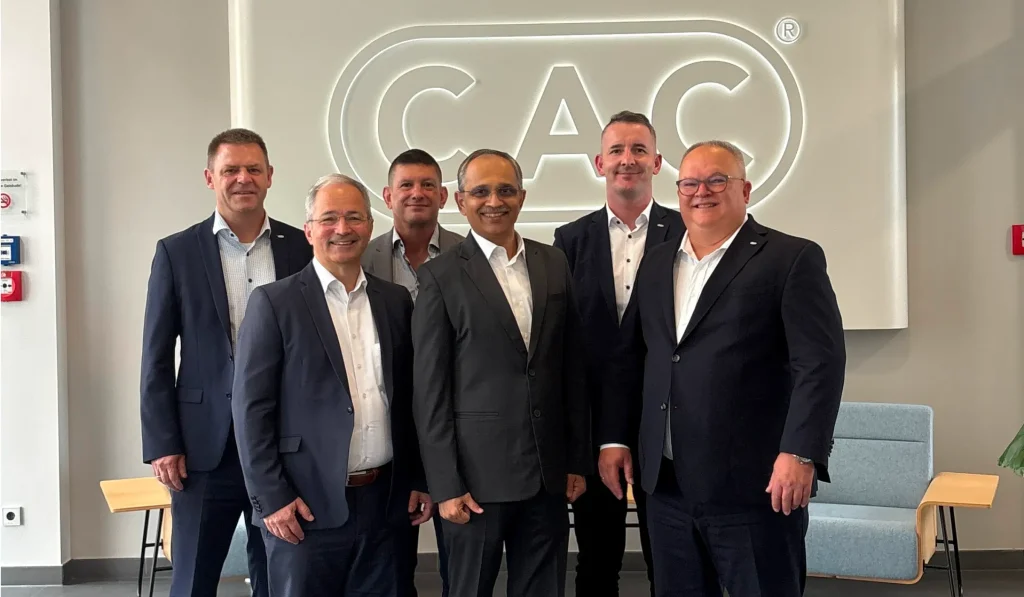
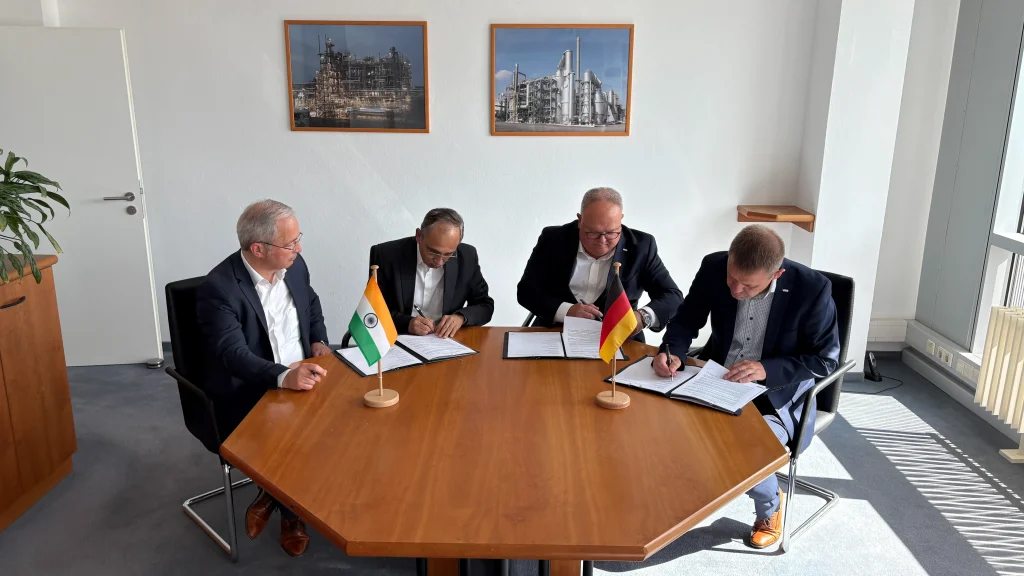
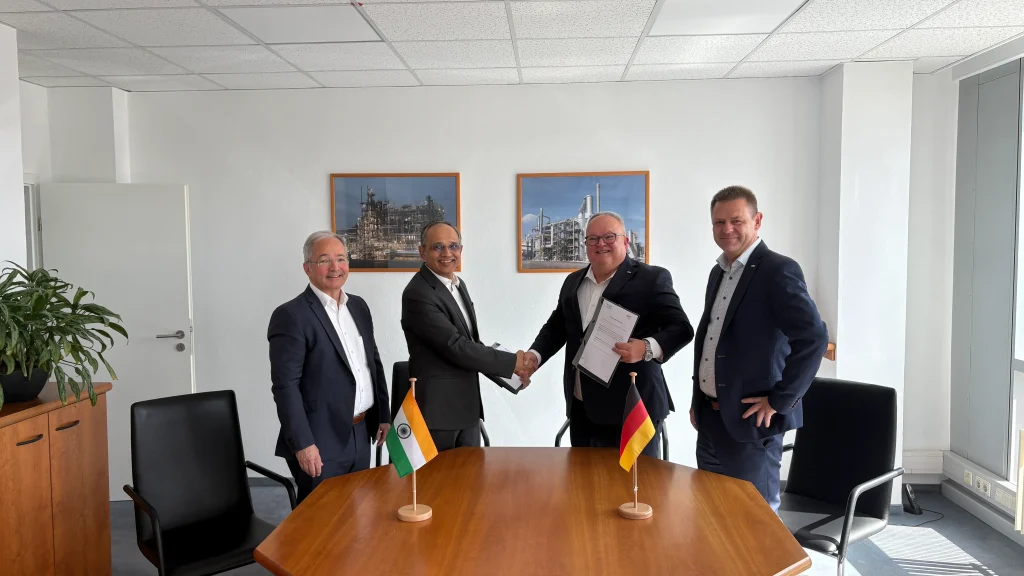
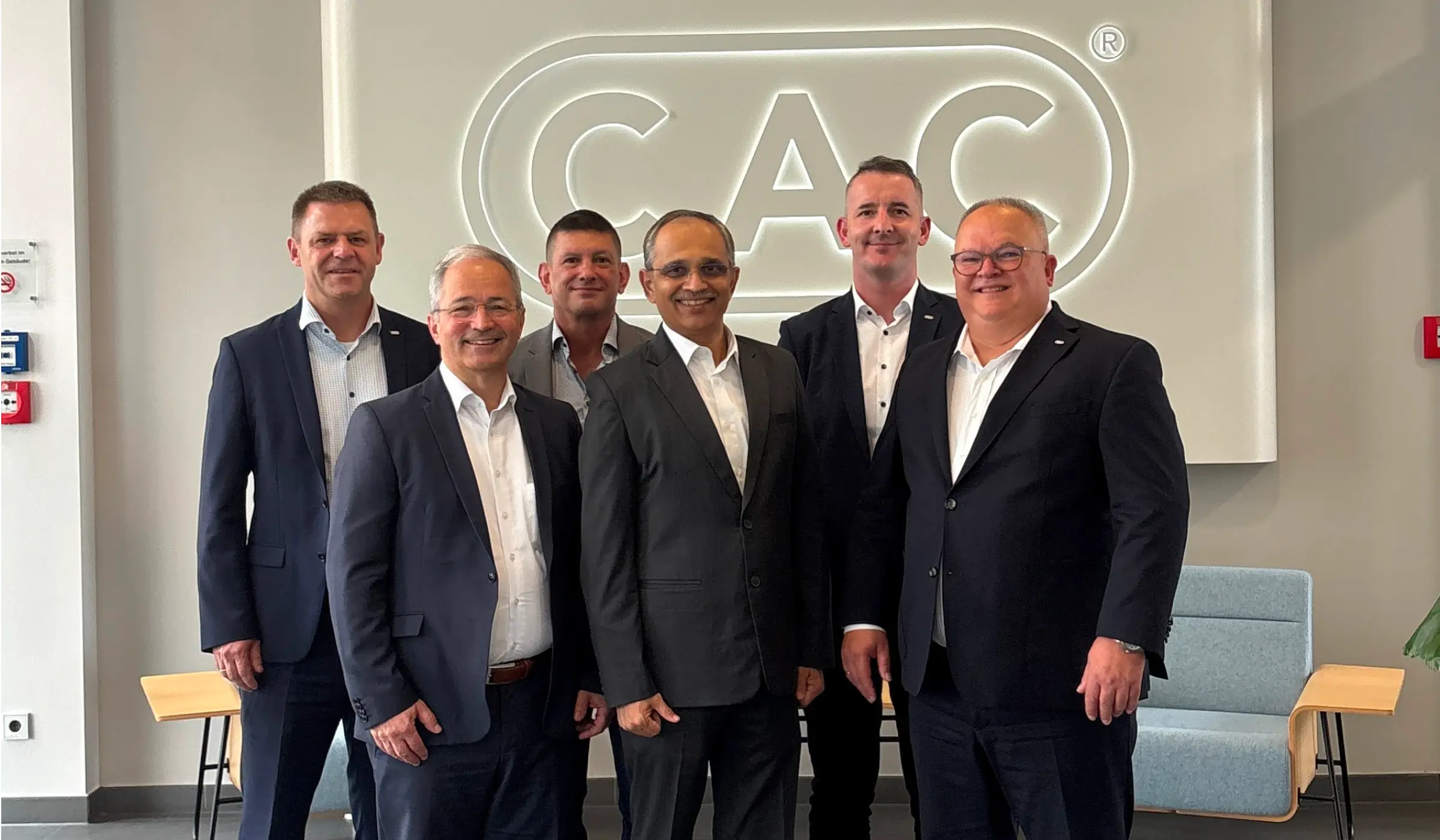
Pune, Maharashtra, India | September 22: Germany-based CAC ENGINEERING GmbH (CAC) has entered into a strategic cooperation agreement with Pune-based Trichemie Plant Engineering Solutions (TPES) to collaborate on engineering and implementing industrial projects worldwide. The partnership aims to combine CAC’s advanced process technologies with India’s engineering expertise to support the development of sustainable fuels and specialized industrial facilities.
Under the agreement, the two companies will focus on engineering and executing manufacturing plants for green hydrogen and synthetic fuels. Their collaboration will also extend to projects in the chlor-alkali, semiconductor, and specialty chemical sectors, creating opportunities to deliver advanced engineering solutions for global markets.
ANI Portal – Link
Business Standard – Link
CAC and TPES to Advance Synthetic Fuel Technology
Headquartered in Chemnitz, Germany, CAC ENGINEERING GmbH has developed patented technologies for producing synthetic fuels, including MethaFuel® and MethaJet®. These technologies enable the production of synthetic fuels using hydrogen and captured carbon dioxide (CO₂), offering an alternative pathway to conventional fossil-based fuels.
CAC’s MethaFuel® technology can produce synthetic gasoline that has been approved for use in vehicles. By utilizing renewable hydrogen and captured CO₂, the process offers potential opportunities to reduce dependence on conventional fossil resources and support the transition towards more sustainable fuel production.
Through this strategic partnership, CAC and TPES intend to bring their complementary capabilities together to support the design, engineering, and implementation of projects involving these emerging fuel technologies.
Supporting India’s Green Hydrogen Mission
The collaboration also aligns with India’s growing focus on green hydrogen and clean energy technologies. Through the National Green Hydrogen Mission, India aims to develop a strong green hydrogen ecosystem and expand its applications across industries.
Green hydrogen can serve as an important feedstock for producing synthetic fuels and supporting industrial processes. Combining hydrogen with captured carbon dioxide can enable the production of synthetic hydrocarbons, potentially helping sectors that are difficult to transition away from conventional fuels.
The CAC–TPES partnership aims to contribute to this evolving landscape by exploring engineering opportunities that connect advanced European technologies with India’s industrial capabilities.
Expanding Opportunities Across Global Industrial Markets
Beyond synthetic fuels and green hydrogen, the partnership will explore opportunities in chlor-alkali manufacturing, semiconductor-related facilities, and specialty chemical plants. These industries require specialized engineering expertise, reliable process technologies, and carefully designed production infrastructure.
By combining CAC’s technology portfolio with TPES’s engineering capabilities in Pune, the companies aim to strengthen their ability to participate in international projects and deliver solutions tailored to complex industrial requirements.
The agreement represents a strategic step towards greater collaboration between German engineering expertise and India’s growing industrial engineering sector. As demand for alternative fuels and advanced manufacturing technologies continues to develop, such partnerships could create new opportunities for international cooperation, industrial innovation, and cleaner energy solutions.
Conclusion
The strategic cooperation between CAC ENGINEERING GmbH and Trichemie Plant Engineering Solutions highlights the growing importance of cross-border engineering partnerships in the development of synthetic fuels, green hydrogen infrastructure, and advanced industrial facilities.
With a shared focus on technology-driven engineering and global project opportunities, the partnership aims to support emerging industrial requirements while contributing to the broader transition towards more sustainable energy and manufacturing systems.